はじめに
Cliff Edge Project(クリフエッジ プロジェクト)は、2013 年に静岡県伊豆地方のクリエイターらによって結成されたアートプロジェクトです。これまで、伊豆半島の特色ある地質遺産と、災害史のアップデートをテーマに展覧会を開催してきました。テーマにゆかりのある場所を会場に選び、その土地の記憶や歴史を再確認しながら作品を制作し、未来の対話へとつなげることを目標に活動してきました。
Introduction
Cliff Edge Project is an art project formed in 2013 by a group of creators in the Izu region of Shizuoka Prefecture.
Since its inception, the project has held exhibitions centered on the distinctive geological heritage of the Izu Peninsula and the updating of disaster history.We have selected exhibition sites closely connected to its themes and created artworks through a process of re-excavating the memory and history of the land, seeking to link these efforts to dialogues about the future.
展覧会概要
Exhibition Overview
2023|うぶすなの水文学
2023
Cliff Edge Project|うぶすなの水文学
開催期間|2023年10月14日[土]–11月11日[土]
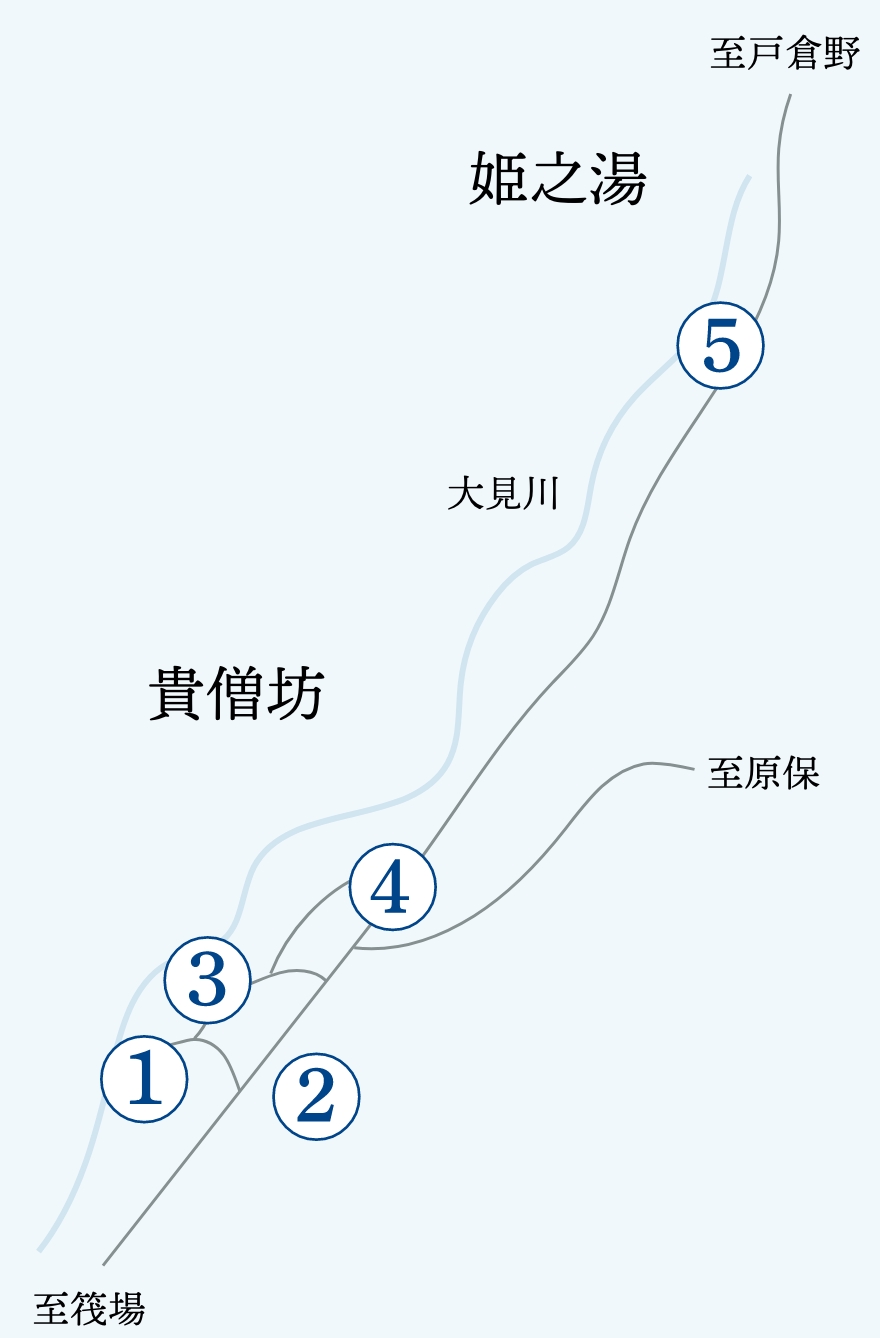
会場|第1会場:貴僧坊公民館(伊豆市貴僧坊109-1)/大久保美貴(アーティスト)
第2会場:貴僧坊水神社(伊豆市貴僧坊140-1)/漆原夏樹(日本画家)、千賀基央(木工家)
第3会場:民宿カプリコーン(伊豆市貴僧坊81-1)/荒木佑介(アーティスト/サーベイヤー)、伊藤允彦(アーティスト/サーベイヤー)、BACCO(デザイナー)
第4会場:平成森鮮組屯所(伊豆市貴僧坊38-1)/永冶晃子(アーティスト)
第5会場:井上倉庫(伊豆市姫之湯469-1)/西野壮平(写真家)
パフォーミングアーツ|
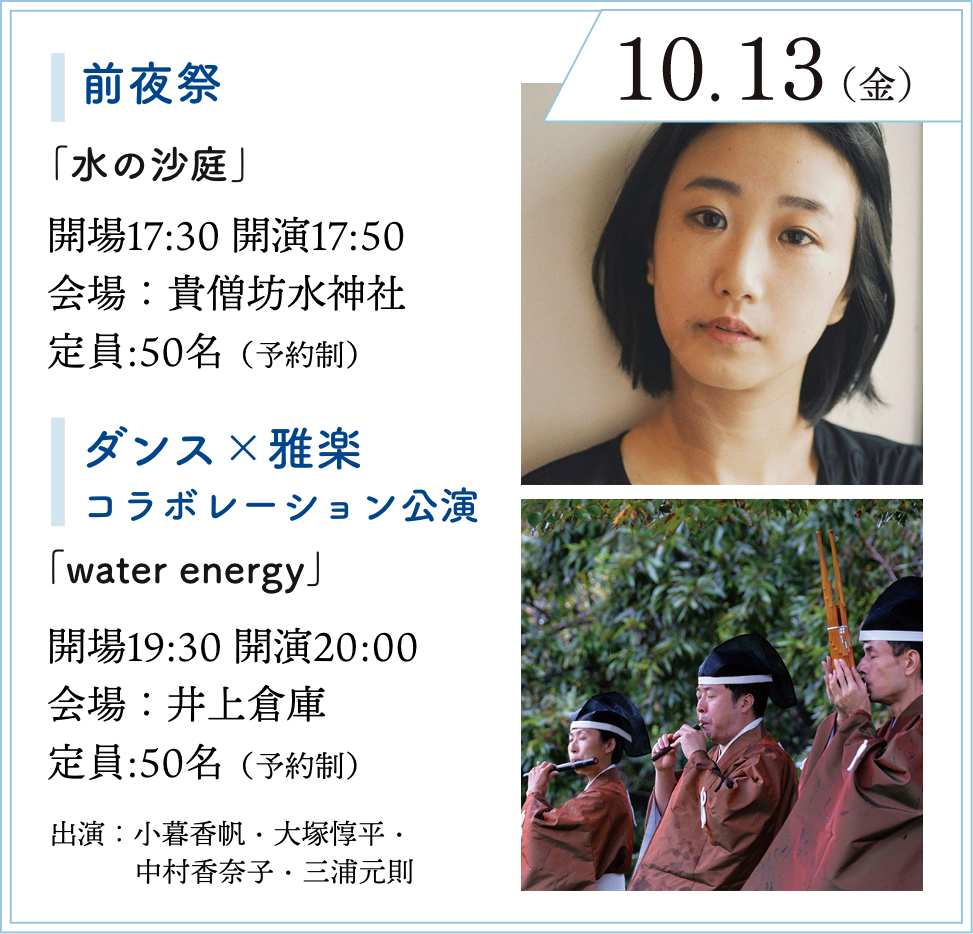
《水の沙庭》2023年10月13日[金]18:50–19:10/貴僧坊水神社
出演:小暮香帆(ダンサー/振付家)、大塚惇平(雅楽奏者/笙、歌)、中村香奈子(雅楽奏者/横笛、歌)、三浦元則(雅楽奏者/篳篥、歌)
《water energy》2023年10月13日[金]20:00–20:35/井上倉庫
出演:小暮香帆、大塚惇平、中村香奈子、三浦元則
※パフォーミングアーツのダイジェスト映像は各公演をクリック
2022 年から貴僧坊周辺をリサーチした13名のアーティストは、水に関わる自らの体験やリサーチの成果をもとに、この土地と水をテーマにした造形作品やダンス、雅楽演奏を制作した。
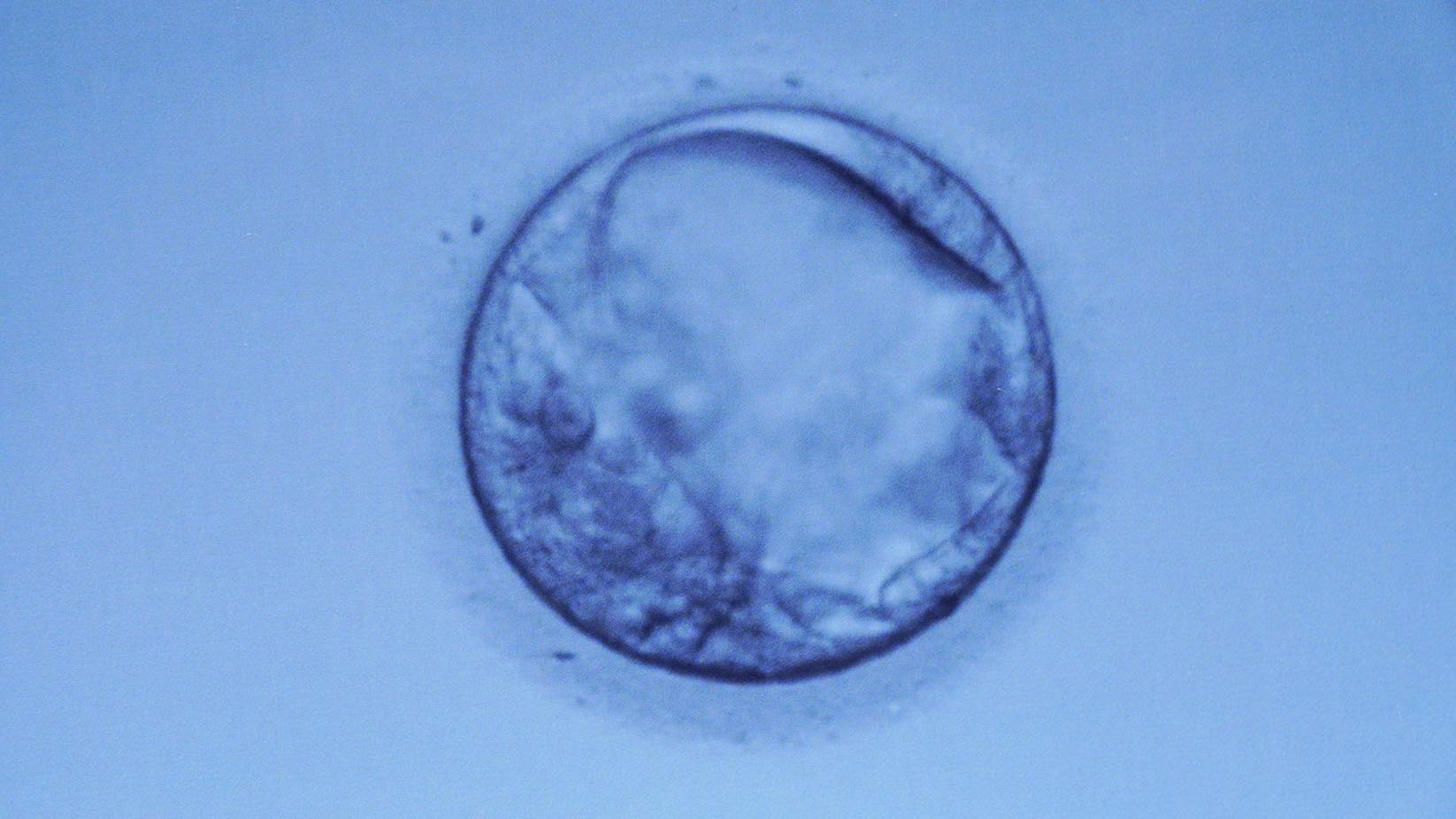
アーティストの大久保美貴は自らの流産と早産の体験や、不妊治療経験者へのインタビューを通じて感じた「生命の神秘」「命の巡り」を題材に、書籍と映像、陶芸作品によってインスタレーションを構成した。
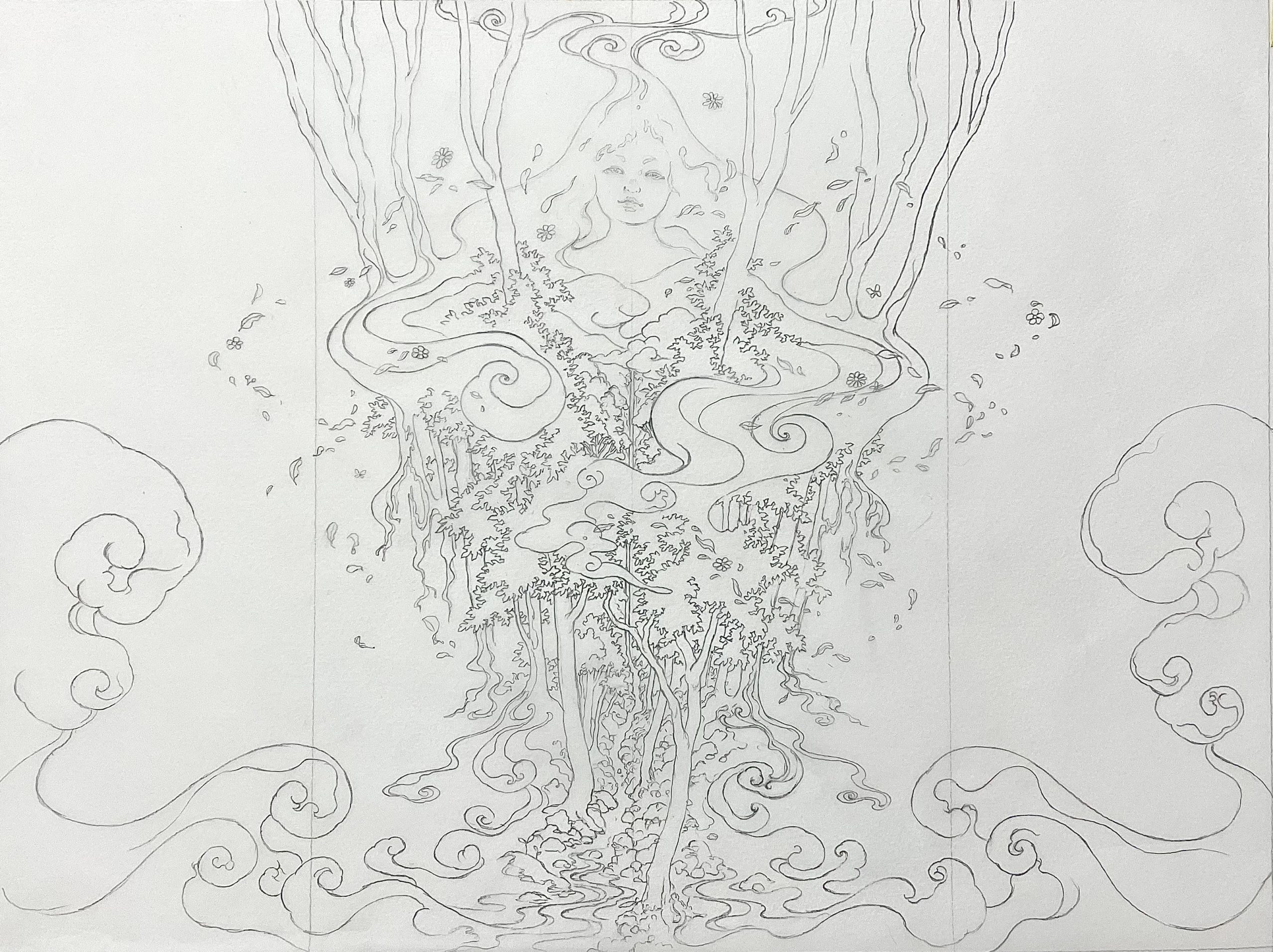
日本画家の漆原夏樹と木工家の千賀基央は、貴僧坊水神社の祭神ミヅハノメを描いた屏風絵と、それらを載せる台座を制作。台座には、貴僧坊で採取されたソメイヨシノが使用された。この土地の信仰についてのリサーチは、目に見えない存在であるミヅハノメの姿をあえて顕すことで結実した。
アーティストでありサーベイヤーでもある荒木佑介と伊藤允彦、デザイナーのBACCOは、貴僧坊周辺地域に伝わる塞ノ神、 姥神信仰、火伏せ信仰、山神信仰などの痕跡や、水の循環、水の流れが作る境界を調査するうちに、カミの姿を幻視するようになった調査者・田崎健一氏の「八岳権現道研究所」を設置した。地域のマップや研究書、権現様と呼ばれる石造りの祠のレプリカなどが展示され、神聖な空間が立ち現れた。
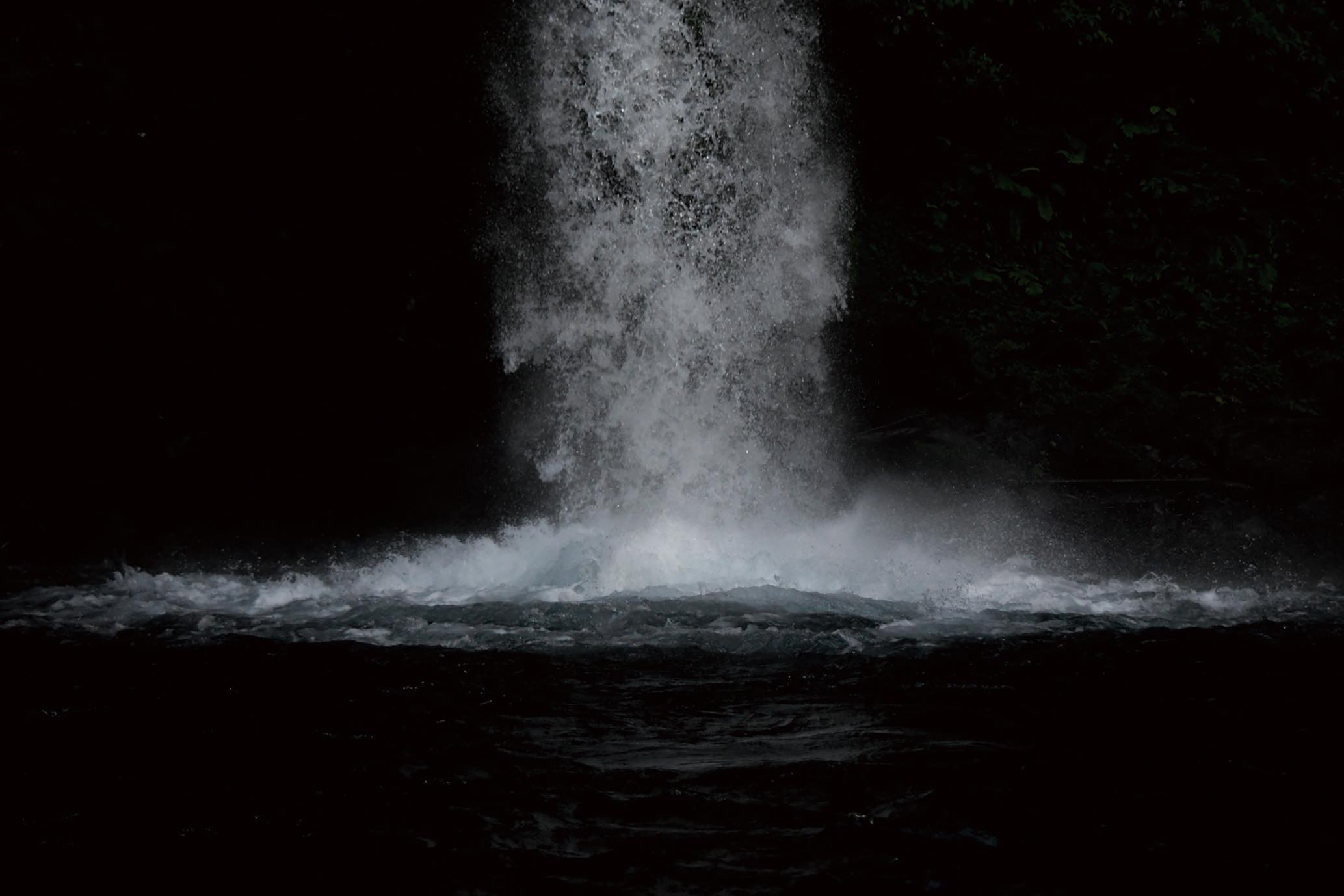
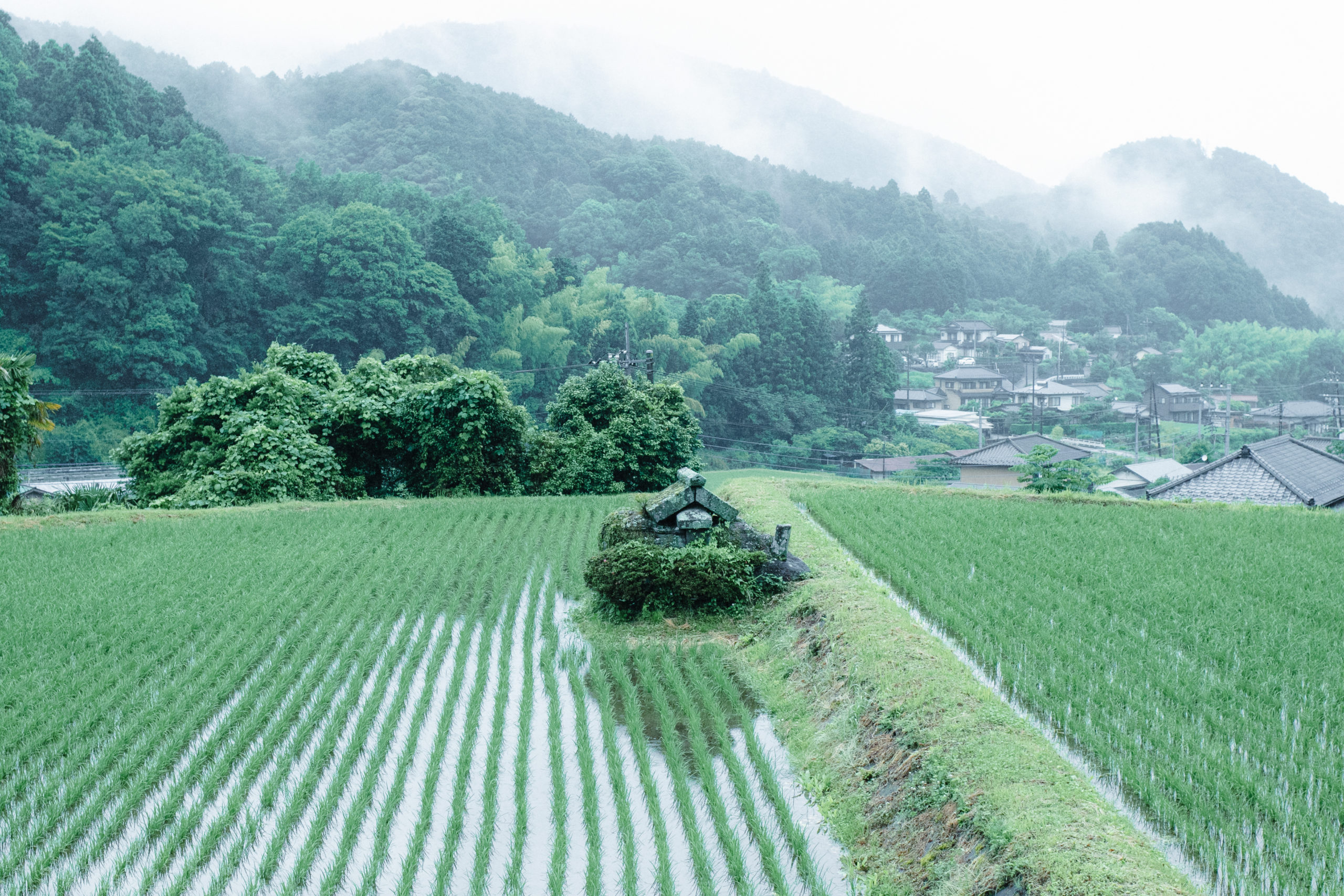
アーティスト永冶晃子は、この地域の水にまつわる現象を丹念に取材し、この地域から聞こえる音を可視化し、繊細な映像作品や写真作品にまとめた。特に水を張った田に設置したスクリーンに映し出された音のない滝の映像は、静かに流れる水の映像から音が聞こえるかのようだった。
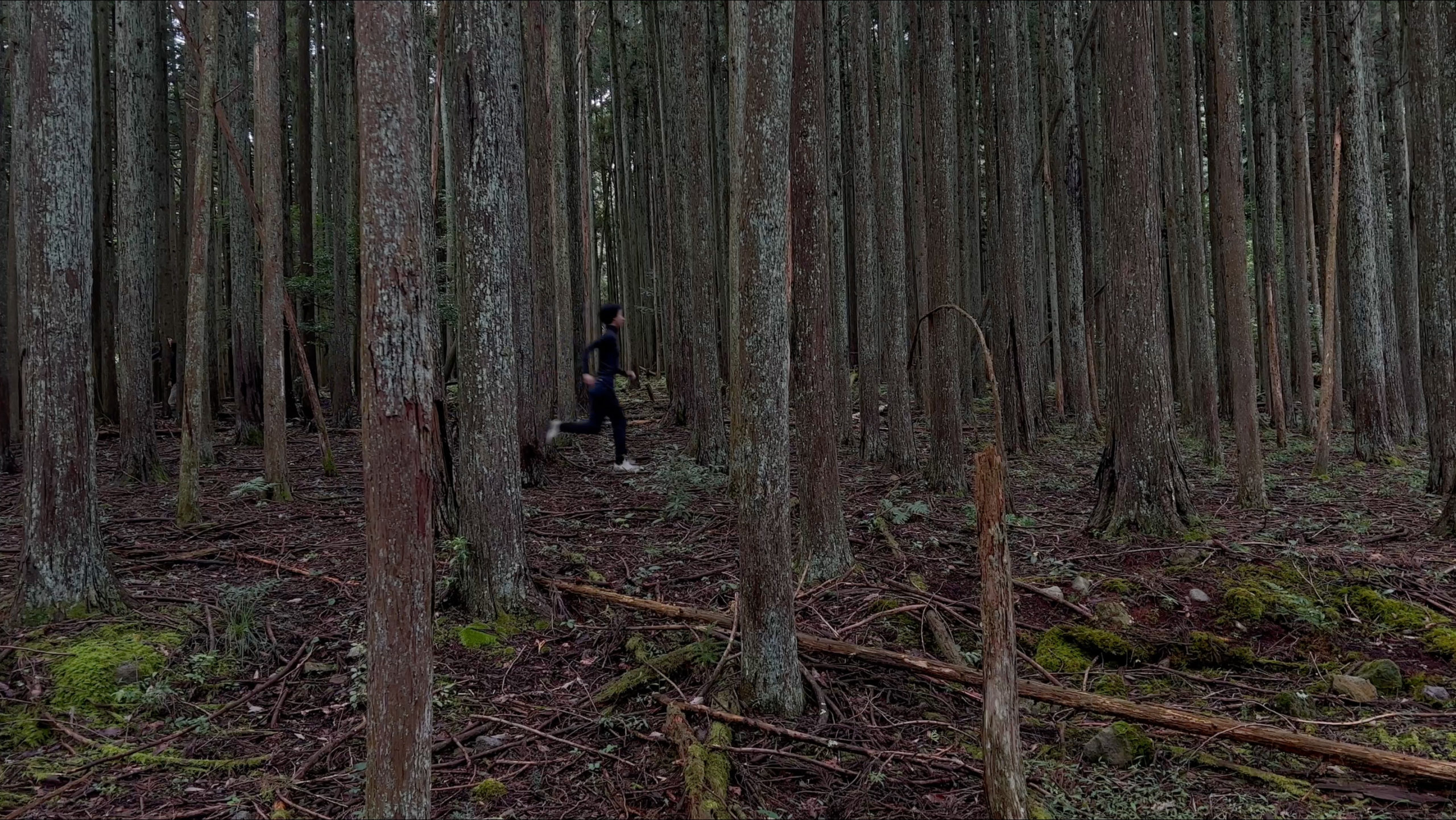
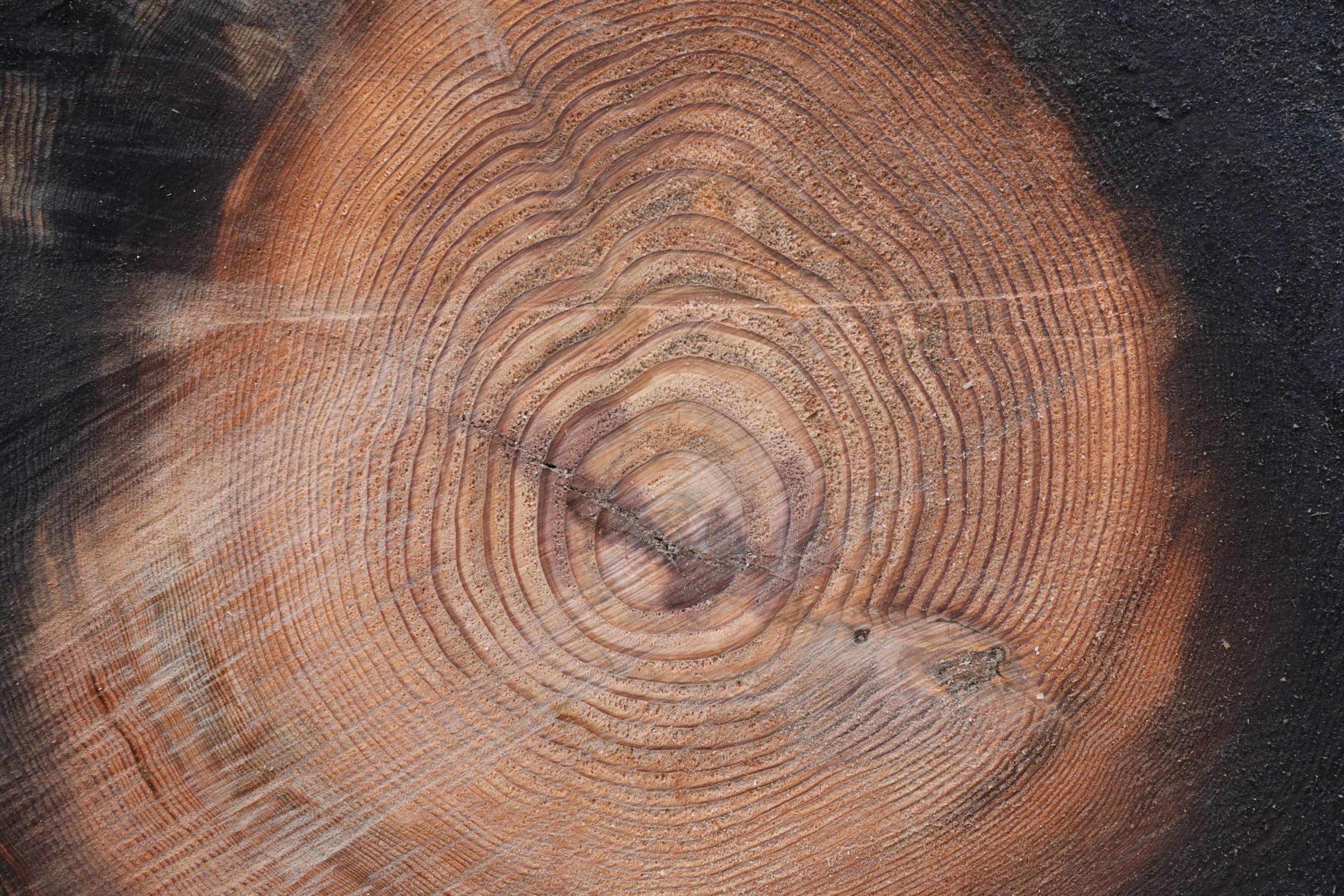
写真家の西野壮平は、伊豆山中で伐採された一本の杉の巨木から丸木舟を作り上げ、それを使って狩野川を下り駿河湾へと辿る映像作品を制作した。この映像作品は、川下りに使った丸木舟、丸木舟を削り出した時に出た木片に印刷した写真などとともに映像インスタレーションを構成した。
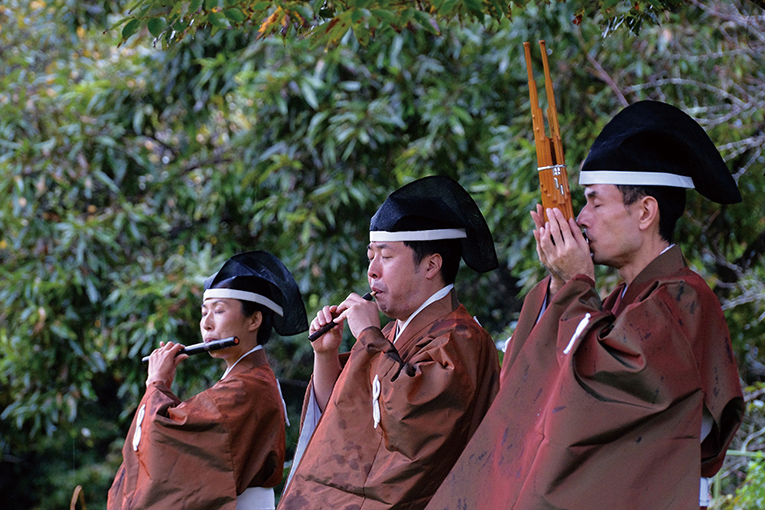
ダンサーの小暮香帆、雅楽奏者の大塚惇平、中村香奈子、三浦元則は、貴僧坊水神社と井上倉庫という展示が完成したばかりの緊張感のある二会場を使っての幽玄なパフォーマンスで展覧会スタートの前夜を飾った。貴僧坊水神社では、謡と雅楽器の調べが響く夜の神社に小暮のダンスが静かにリンクしていった。井上倉庫では、西野の作品の間を縫うように小暮が踊り、その踊りと呼応するように雅楽奏者が緊張感ある即興演奏を行なった。
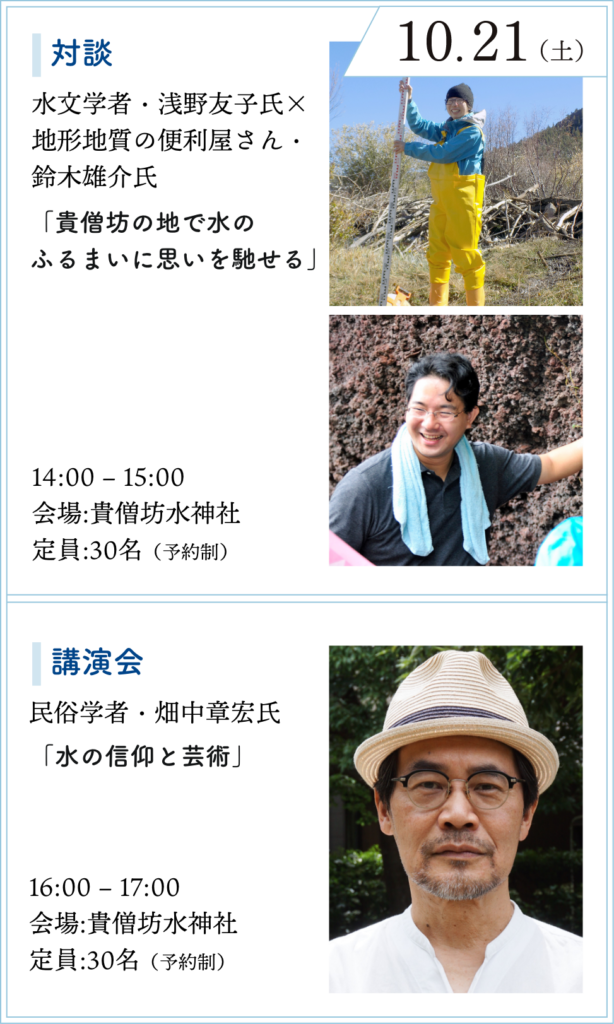
会期中は、リサーチプログラムの講師による対談や講演会を開催した。水文学と地形学・地質学双方から貴僧坊周辺の水環境を語った浅野友子と鈴木雄介の対談が行われ、民俗学の見地から、この地域の水の信仰について畑中章宏がレクチャーした。リサーチプログラムから続く「うぶすなの水文学」について、展覧会のテーマをより深く掘り下げる内容のイベントを開催した。
Cliff Edge Project | Ubusuna Hydrology
Dates|October 14 (Sat) – November 11 (Sat), 2023
Venues|Venue 1: Kisobo Community Center (109-1 Kisobo, Izu City)/Miki Okubo (Artist)
Venue 2: Kisobo Suijin Shrine (140-1 Kisobo, Izu) /Natsuki Urushihara (Nihonga painter), Motonaka Senga (Woodworker)
Venue 3: Minshuku Capricorn (81-1 Kisobo, Izu)/Yusuke Araki (Artist/Surveyor), Masahiko Ito (Artist/Surveyor), BACCO (Designer)
Venue 4: Heisei Shinsengumi Headquarters (38-1 Kisobo, Izu)/Akiko Nagaya (Artist)
Venue 5: Inoue Warehouse (469-1 Himenoyu, Izu)/Sohei Nishino (Photographer)
Performing Arts|
“Water Sand Garden” October 13 (Fri), 2023, 18:50–19:10/Kisobo Suijin Shrine
Performers: Kaho Kogure (Dancer/Choreographer), Junpei Otsuka (Gagaku Musician/Sho, Vocal), Kanako Nakamura (Gagaku Musician/Yokobue, Vocal), Motonori Miura (Gagaku Musician/Hichiriki, Vocal)
“water energy” October 13 (Fri), 2023, 20:00–20:35 / Inoue Warehouse
Performers: Kaho Kogure, Junpei Otsuka, Kanako Nakamura, Motonori Miura
*Click each performance for a digest video of the performing arts
From 2022, thirteen artists researched the Kisobo area. Based on their personal experiences with water and research findings, they created art objects, dance performances, and Gagaku musical pieces themed on this land and water.
Artist Miki Okubo, drawing on her experiences of miscarriage and premature birth, as well as interviews with people who had undergone fertility treatments, explored the themes of “the mystery of life” and “the cycle of life” through an installation combining books, video, and ceramic works.
Nihonga painter Natsuki Urushihara and woodworker Motonaka Senga created folding screens depicting Mizuhanome, the water deity of Kisobo Suijin Shrine, together with accompanying pedestals crafted from locally harvested Somei Yoshino cherry wood. Their research into local faith culminated in making visible the otherwise unseen presence of Mizuhanome.
Artists and surveyors Yusuke Araki and Masahiko Ito, together with designer BACCO, established the Yatsuoka Gongen-Do Research Institute. The institute is supposedly led by researcher Kenichi Tasaki, who came to have visionary encounters with kami through his exploration of traces of local traditions―such as Sai-no-Kami, Ubagami worship, fire-prevention faith, and mountain deity worship―and of the boundaries shaped by the circulation and flow of water. The installation included local maps, research books, and replicas of stone shrines called Gongen-sama, creating a sacred space.
Artist Akiko Nagaya meticulously documented local water-related phenomena, visualizing sounds from the region in delicate video and photographic works. Notably, the silent waterfall projected on the screen in the flooded rice paddies appeared as if sound were emerging from the quietly flowing water.
Photographer Sohei Nishino carved a dugout canoe from a massive cedar felled in the Izu mountains, and used it to travel down the Kano River to Suruga Bay, documenting the journey in a video work. The installation included the canoe itself and photographs printed on wood shavings from the making process.
Dancer Kaho Kogure and Gagaku performers Jumpei Otsuka, Kanako Nakamura, and Motonori Miura inaugurated the eve of the exhibition with an ethereal performance at two freshly completed and poised venues, Kisobo Suijin Shrine and the Inoue Warehouse. At the shrine, Kogure’s dance subtly harmonized with the night sounds of chanting and Gagaku instruments. At the Inoue Warehouse, Kogure danced weaving through Nishino’s works, while gagaku musicians improvised in response to her movements, filling the space with a subtle, charged tension.
During the exhibition, dialogues and lectures were held by instructors from the research program. Yuko Asano and Yusuke Suzuki discussed the local water environment from the perspectives of hydrology and geomorphology. Akihiro Hatanaka gave a lecture on local water faith from the perspective of folklore. Following the research program, these events further explored the exhibition’s theme, Ubusuna Hydrology
主催|Cliff Edge Project
支援|アーツカウンシルしずおか
助成|公益財団法人花王芸術・科学財団、公益財団法人野村財団、公益財団法人福武財団、公益財団法人三菱UFJ 信託地域文化財団
後援|伊豆市教育委員会、一般社団法人 美しい伊豆創造センター、FM IS みらいずステーション、静岡新聞社・静岡放送、静岡大学未来社会デザイン機構 「東アジア文化都市2023静岡」認証プログラム
協力|伊豆市貴僧坊地区、一般社団法人平成森鮮組、キャノンマーケティングジャパン株式会社、凸版印刷株式会社
関連イベント|
「高齢者向けの身体ワークショップ」2023年9月15日[金]、10月13日[金]/貴僧坊公民館
講師:小暮香帆
「貴僧坊の地で水のふるまいに思いを馳せる」2023年10月21日[土]/貴僧坊水神社
講師:浅野友子(水文学者)、 鈴木雄介(地形地質の便利屋さん)司会:住康平(Cliff Edge Project代表、美術家)
「水の信仰と芸術」2023年10月21日[土]/貴僧坊公民館
講師:畑中章宏(民俗学者)司会:住康平
※肩書は当時のもの
Organizer | Cliff Edge Project
Supported by | Arts Council Shizuoka
Funded by | Kao Foundation for Arts and Science, Nomura Foundation, Fukutake Foundation, The Mitsubishi UFJ Trust Cultural Foundation
Sponsored by | Izu City Board of Education, The Beautiful Izu Creation Center, FM IS Miraizu Station, Shizuoka Shimbun / Shizuoka Broadcasting System, Shizuoka University Organization for Designing Future Society ”East Asia Culture City 2023 Shizuoka” Certification Program
Cooperation|Kisobo District, Izu, Heisei Shinsengumi, Canon Marketing Japan Inc., Toppan Printing Co., Ltd.
Related Events|
“Physical Workshop for Seniors” September 15 (Fri), October 13 (Fri), 2023 / Kisobo Community Center
Instructor: Kaho Kogure
“Contemplating Water’s Behavior in Kisobo” October 21 (Sat), 2023 / Kisobo Suijin Shrine
Instructors: Yuko Asano (Hydrologist), Yusuke Suzuki (Geomorphology Handyman) Moderator: Kohei Sumi (Cliff Edge Project Representative, Artist)
“Water Beliefs and Art” October 21 (Sat), 2023 / Kisobo Community Center
Lecturer: Akihiro Hatanaka (Folklorist) Moderator: Kohei Sumi (Cliff Edge Project Representative, Artist)
*Titles are as of the time of the exhibition
2022|うぶすなの水文学 リサーチプログラム
2022
Cliff Edge Project|うぶすなの水文学 リサーチプログラム
取材期間|2022 年5月1日[日]~ 2月28日[火]
取材地|静岡県伊豆市貴僧坊地区ほか周辺地区を中心とした大見川流域(狩野川も含む)
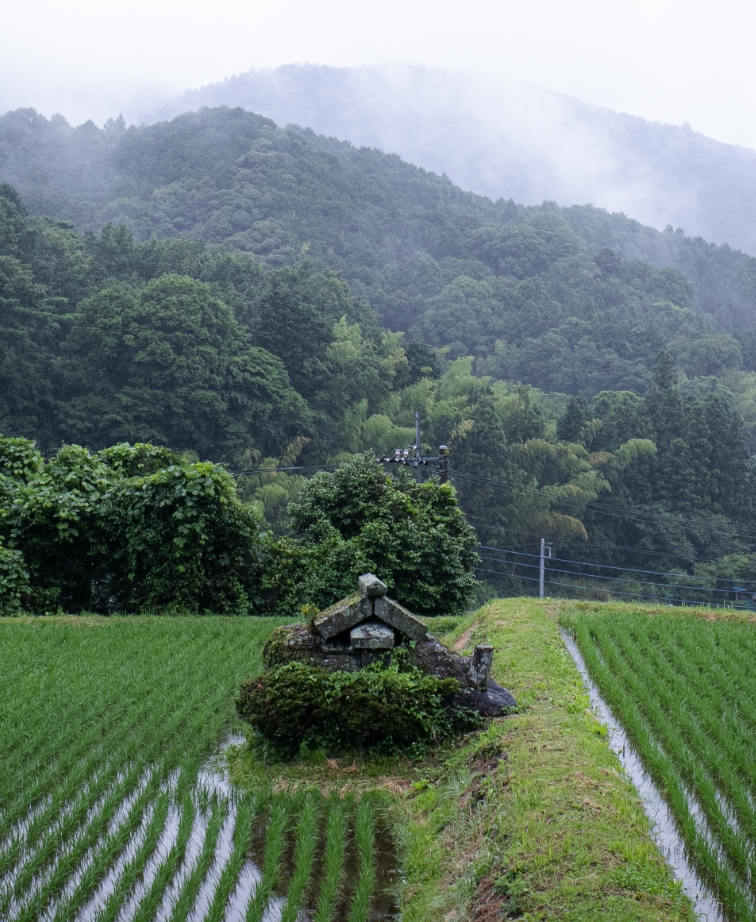
伊豆半島中部天城山麓の山間地域である貴僧坊地区と姫之湯地区を舞台に、ふたつの視点から「水」という物質にアプローチしたアートプロジェクト。
ひとつ目の視点は「水への信仰」。水への信仰といえば、貴僧坊地区に鎮座する貴僧坊水神社には、水の神ミヅハノメが祀られ、周辺地域には、川や道の重要な箇所に塞の神などの道祖神の姿が見られる。これらの神々は、この土地を守る産土神として祀られており、古くから人々の信仰を集めてきた。
ふたつ目の視点は、「水の循環の科学」。水の循環の科学には、これを扱う「水文学」がある。伊豆半島では、海や地表から湧き上がった雲が天城山で雨雲となり、強烈な雨を降らせる。その雨は地表を流れるもの、地中を流れるものなど様々な経路でやがて川へと注ぎ、川は伊豆半島を北上する狩野川などのさまざまな河川へとつながり、太平洋へと注ぐ。そしてその水分は大気中の水蒸気となって雲を構成し、天城山へと上っていくというサイクルが繰り返されている。このような水の発生、移動、分布を含む多様な水のありようを科学的に分析するのが水文学である。
このプロジェクトには、13名のアーティストが参加した。アーティストらは、2022年にはこの土地周辺をリサーチし、「水への信仰」と「水の循環の科学」をテーマにした2023年の作品発表に向けての構想と素材探しをした。
同時に、このプロジェクトのテーマに関わりのある諸分野の講師らによるオンラインレクチャーを受講してもらった。この地域の諸相を学び、自らの足でリサーチエリアを歩いてみることで作品に深みが増し、この地域ならではの作品構想が生まれた。リサーチの成果は、「うぶすなの水文学」のホームページで公開された。
Cliff Edge Project | Ubusuna Hydrology Research Program
Research Period|May 1 (Sun), 2022 – February 28 (Tue), 2023
Research Area|Kisobo district, Izu, Shizuoka, and surrounding areas of the Omi River (including the Kano River)
This art project approached “water” from two perspectives, set in the mountainous Kisobo and Hime-no-Yu districts at the foot of Mt. Amagi on the central Izu Peninsula.
The first perspective is “Faith in Water.” Kisobo Suijin Shrine enshrines the water deity
Mizuhanome. Throughout the surrounding areas, figures of Sai-no-Kami and Dosojin can be seen at key points along rivers and roads. These deities have long been revered as Ubusuna deities, guardians of birth, attracting local faith for centuries.
The second perspective is “The Science of the Water Cycle.” The study of the water cycle is called “hydrology”. On the Izu Peninsula, clouds rising from the sea and land surface from rain clouds over Mt. Amagi, bringing intense rainfall. This rain flows along various paths—over the land surface or underground—eventually reaching rivers. These rivers connect to various waterways, such as the Kano River, which flows north through the Izu Peninsula, ultimately emptying into the Pacific Ocean. The water then evaporates into the atmosphere, forming clouds that rise over Mt. Amagi again, continuing the water cycle. Hydrology is the scientific analysis of these diverse states of water, including its generation, movement, and distribution.
Thirteen artists participated in this project. In 2022, the artists researched the surrounding area and explored materials and concepts for their 2023 work presentations centered on the themes of “Faith in Water” and “The Science of the Water Cycle.”
They also attended online lectures by experts from various fields related to the project’s themes. By studying different aspects of the region and walking through the research areas themselves, they gained depth to their work, fostering concepts unique to this location. The outcomes of the research were published on the Ubusuna Hydrology website.
レクチャー|全7回オンラインにて開催
講師|
浅野友子(水文学者)、井上 亘(わさび専業農家)、大下裕司(大阪中之島美術館学芸員)、塩谷和広(環境カウンセラー)、白井ゆみ(環境活動家)、鈴木雄介(地形地質の便利屋さん)、畑中章宏(民俗学者)
参加アーティスト|
荒木佑介(アーティスト/サーベイヤー)、伊藤允彦(アーティスト/サーベイヤー)、漆原夏樹(日本画家)、大久保美貴(アーティスト)、大塚惇平(雅楽奏者/笙、歌)、小暮香帆(ダンサー/振付家)、千賀基央(木工家)、BACCO(デザイナー)、中村香奈子(雅楽奏者/横笛、歌)、永冶晃子(アーティスト)、西野壮平(写真家)、三浦元則(雅楽奏者/篳篥、歌)
主催|Cliff Edge Project
支援|アーツカウンシルしずおか
後援|伊豆市教育委員会、一般社団法人美しい伊豆創造センター
協力|一般社団法人平成森鮮組、NPO 法人ステキなごえん
※肩書は当時のもの。レクチャーの様子は各講師の名前をクリック
Lectures|7 online sessions
Lecturers|
Yuko Asano (Hydrologist), Wataru Inoue (Wasabi Farmer), Yuji Oshita (Curator, Osaka Nakanoshima Museum of Art), Kazuhiro Shioya (Environmental Counselor), Yumi Shirai (Environmental Activist), Yusuke Suzuki (Geomorphology Handyman), Akihiro Hatanaka (Folklorist)
Participating Artists|
Yusuke Araki (Artist/Surveyor), Masahiko Ito (Artist/Surveyor), Natsuki Urushihara (Nihonga Painter), Miki Okubo (Artist), Junpei Otsuka (Gagaku Musician/Sho, Vocalist), Kaho Kogure (Dancer/Choreographer), Motonaka Senga (Woodworker), BACCO (Designer), Kanako Nakamura (Gagaku Musician / Yokobue, Vocalist), Akiko Nagaya (Artist), Sohei Nishino (Photographer), Motonori Miura (Gagaku Musician / Hichiriki, Vocalist)
Organizer|Cliff Edge Project
Supported by|Arts Council Shizuoka
Sponsored by|Izu City Board of Education, The Beautiful Izu Creation Center
Cooperation|Heisei Shinsengumi, NPO Suteki na Goen
*Titles are as of the time of the exhibition. Click each lecturer’s name to see their lecture.
2021|躍動する山河
2021
Cliff Edge Project|躍動する山河
開催期間|2021年1月31日[日]–2月28日[日]
会場|第1会場:伊豆市資料館/清水玲(美術家)、磯村拓也(映像作家)、伊藤允彦(サーベイヤー)
第2会場:上白岩遺跡/住康平(Cliff Edge Project代表、美術家)、鈴木政希(左官職人)、千賀基央(木工家)
第3会場:大宮神社/中澤美和(日本画家)
パフォーミングアーツ|
《I am Her》2021年2月27日[土]、2月28日[日]/大宮神社、上白岩遺跡
出演:松岡大
※パフォーミングアーツのダイジェスト映像は各会場名をクリック
「躍動する山河」は、狩野川水系大見川流域、伊豆半島中央に位置する伊豆市上白岩地区を舞台にしたアートプロジェクト。
本展では、上白岩地区の特異な地形と地質遺産をモティーフとし、63年前※にこの地を襲った狩野川台風から3200年前に噴火したカワゴ平の火山噴火までのスケールの大きな時間の中で災害を見つめ、4組のアーティストが3つの会場を舞台に作品を発表した。
昭和33年9月26日、狩野川台風の豪雨は、大見川上流、筏場地区の蛇喰山の大崩壊を惹き起こし、下流域の白岩温泉は流出。その源泉の復興のため、中伊豆温泉病院の誘致が行われた。
この病院には、アーティスト清水玲の両親が勤務していたという奇縁もあり、病院の川向こうに位置する伊豆市資料館では、清水の誕生の記憶にクロスオーバーする伊豆半島全域の自然・文化を題材とした映像インスタレーションが展示された。
かつては縄文人の祭祀の場であったとされる上白岩遺跡の環状列石。3000〜4000年の時を経て発掘されたこの遺跡は、縄文人が住むことをやめてから現代に至るまで地中に埋もれ、現在は祈りの場としての機能はない。この祈りの不在をテーマにしたインスタレーションを、美術家の住康平と左官職人の鈴木政希、木工家の千賀基央が制作した。また、遺跡を舞台として、舞踏家の松岡大が縄文時代にこの地に生きた架空の「her」に扮し、舞踏によって祈りの再生を表現した。
そして、太古より鎮守の森そのものが祈りの対象であったような特異な地形に立つ大宮神社。今も人々が祈りを捧げるこの神社では、日本画家の中澤美和によって中伊豆の躍動する自然をテーマにした山水画の屏風が展示された。また、この神社でも松岡の舞台が披露された。
今回は関連イベントとして火山学者や地域の地形の有識者によるクロストークや画家によるワークショップなどが開催された。
※展覧会開催当時
Cliff Edge Project | The Vibrant Mountains and Rivers
Dates|January 31 (Sun) – February 28 (Sun), 2021
Venues|Venue 1: Izu City Museum / Ryo Shimizu (Artist), Takuya Isomura (Video Artist), Masahiko Ito (Surveyor)
Venue 2: Kamishiraiwa Ruins / Kohei Sumi (Cliff Edge Project Representative, Artist), Masaki Suzuki (Plasterer), Motonaka Senga (Woodworker)
Venue 3: Omiya Shrine / Miwa Nakazawa (Nihonga Painter)
Performing Arts|
“I am Her” February 27 (Sat), 28 (Sun), 2021 / Omiya Shrine, Kamishiraiwa Ruins
Performer: Dai Matsuoka (Butoh Dancer)
*Click each venue name for a digest video of the performing arts
The Vibrant Mountains and Rivers is an art project set in the Kamishiraiwa district of Izu, located on the central Izu Peninsula within the Omi River basin of the Kano River system. In this exhibition, four groups of artists presented works across three venues, using the unique topography and geological heritage of the Kamishiraiwa district as motifs. The project considered disasters across a vast timescale—from the Kawago-daira volcanic eruption 3,200 years ago to the Kano River Typhoon that struck this area 63 years ago*.
The Kamo River Typhoon of September 26, 1958, triggered a massive landslide on Mt. Jabami in Ikadaba, the upper Omi River region, and destroyed the hot spring source in downstream Shiraiwa Onsen. The disaster prompted reconstruction efforts, including the invitation of the Nakaizu Spa Hospital.
By a curious coincidence, the parents of artist Ryo Shimizu had worked at this hospital. Shimizu’s video installation at Izu City Museum, just across the river from the hospital, intertwines personal birth memories with the peninsula’s natural and cultural history.In addition, on the wall at the entrance of the museum, a wall piece by Shimizu was installed, incorporating a topographic map of the Izu Peninsula alongside characters appearing in Shoji Jisso-gi, a doctrinal text attributed to Kobo Daishi (Kukai).
The circular stone arrangement at the Kamishiraiwa Ruins is supposed to be a Jomon ritual site. The site, unearthed after 3,000 to 4,000 years, had remained buried underground since the Jomon people ceased living there, and it no longer serves as a place of prayer today. Artist Kohei Sumi, plasterer Masaki Suzuki, and woodworker Motonaka Senga created an installation reflecting on this absence of prayer. Also, butoh dancer Dai Matsuoka performed
as an imaginary “her” who lived in this land during the Jomon period, expressing the rebirth of prayer through dance.
Omiya Shrine stands on a unique terrain where the sacred forest itself has long been an object of worship since ancient times. At this shrine, where people still offer prayers today, Nihonga painter Miwa Nakazawa displayed folding screens depicting the vibrant nature of Naka-Izu. Matsuoka’s stage performance was also presented here.
Related events included a roundtable discussion with volcanologists and local terrain experts, as well as workshops led by the painters. *as of the time of the exhibition.
主催|Cliff Edge Project
支援|静岡県文化プログラム推進委員会(静岡県文化プログラム地域密着プログラム事業)
後援|伊豆市教育委員会、伊豆の国市教育委員会、伊豆半島ジオパーク推進協議会、株式会社FM IS、静岡大学未来社会デザイン機構
助成|公益財団法人花王芸術・科学財団、公益財団法人野村財団、公益財団法人福武財団(2020 年度 地域振興助成「アートによる地域振興助成」)
協力|伊豆市上白岩元村の皆さん、一般社団法人平成森鮮組、NPO 法人ステキなごえん、北狩野造園工務株式会社
関連イベント|
「ワークショップ『さあ、伊豆色の絵を描こう!』」2021年1月9日[土]/オンライン開催
講師:中澤美和 共催:伊豆半島ジオパーク推進協議会
「日本画家・中澤美和による作品解説トーク」2021年2月5日[金]/オンライン開催
「対談会『火山と人』」2021年2月6日[土]/オンライン開催
登壇者:小山真人(静岡大学防災総合センター副センター長)、鈴木雄介(静岡大学地域創造学環准教授)、伊藤允彦(サーベイヤー)、松本圭司(地域雑学)
司会:平野雅彦(ふじのくに情報文化センター・センター長、国立大学法人静岡大学人文社会科学部客員教授)
「伊豆のクリエイター集団・Cliff Edge Project による作品解説トーク」2021年2月10日[水]/オンライン開催
「アーティスト・清水玲による作品解説トーク」2021年2月12日[金]/オンライン開催
「アーティストトークセッション」2021年2月20日[土]/オンライン開催
登壇者:伊藤允彦、清水玲、鈴木政希、住康平、中澤美和、松岡大、松本圭司
司会:鈴木創(ラジオパーソナリティ)
※肩書は当時のもの
Organizer|Cliff Edge Project
Supported by|The Committee of Shizuoka Cultural Programme (the Locally Oriented Programme)
Sponsored by|Izu City Board of Education, Izunokuni City Board of Education, Izu Peninsula Geopark Promotion Council, FM IS Co., Ltd., Shizuoka University Organization for Designing Future Society
Funded by|Kao Foundation for Arts and Science, Nomura Foundation, Fukutake Foundation (2020 Regional Revitalization Grant “Art-Based Regional Revitalization Grant”)
Cooperation|Residents of Kamishiraiwa-Motomura, Izu, Heisei Shinsengumi, NPO Suteki na Goen, Kitakano Landscape
Related Events|
“Workshop: ‘Let’s Paint in Izu Colors!’” January 9 (Sat), 2021 / Online
Instructor: Miwa Nakazawa Co-hosted by: Izu Peninsula Geopark Promotion Council
“Artwork Commentary Talk by Nihonga Painter Miwa Nakazawa” February 5 (Fri), 2021 / Online
“Roundtable Discussion: ‘Volcanoes and People’” February 6 (Sat), 2021 / Online
Speakers: Masato Koyama (Associate Director, Shizuoka University Center for Integrated Research of Natural Hazard), Yusuke Suzuki (Associate Professor, Shizuoka University School of Regional Development), Masahiko Ito (Surveyor), Keiji Matsumoto (Regional Trivia Expert) Moderator: Masahiko Hirano (Director, Fujinokuni Art/Infomation Center; Visiting Professor, Shizuoka University Faculty of Humanities and Social Sciences)
“Artist Talk: Work Commentary by Cliff Edge Project, Izu Creators Group” February 10 (Wed), 2021 / Online
“Artist Talk: Work Commentary by Artist Ryo Shimizu” February 12 (Fri), 2021 / Online
“Artist Talk Session” February 20 (Sat), 2021 / Online Event
Speakers: Masahiko Ito, Ryo Shimizu, Masaki Suzuki, Kohei Sumi, Miwa Nakazawa, Dai
Matsuoka, Keiji Matsumoto Moderator: Tsuku
2018|水のかたりべ
2018
Cliff Edge Project|水のかたりべ
会期|2018年11月12日[月]–11月23日[金・祝]
会場|狩野川資料館(静岡県伊豆の国市墹之上467-2)
昭和33年9月26日から27日にかけて、日本列島を襲った狩野川台風の体験者のインタビュー映像や、今回の展示のためにデジタル化された台風被害の記録写真などの資料をもとに、狩野川台風を新しい視点で捉えた展覧会。
台風の被害が最も大きかった修善寺町熊坂地区。多くの人々がこの濁流に流されていく中で自分だけが助かったことにジレンマを抱えて人生を送ってきた男性の証言を映像にて記録し、上映した。
「狩野川台風については、何度もその悲惨さを耳にしてきた。一滴の水に濡れることもない自分には、それに共感をもって話に加わることなどできなかった。また辛い思いをされた方の中には、黙り込む方も多い。60年の節目を迎えるにあたり、その悲惨を語るだけではない台風の伝え方ができないか。そんなことを考えてきた」
災害の後、そんな思いを抱く彼が通った熊坂小学校に突如として現れた謎の慰霊碑はすっきりしない彼の心情を投影するモニュメントだった。会場には、この慰霊碑のレプリカと3次元画像も展示された。
関連企画として、学芸員若山満大氏企画による写真展「台風と秩序」、トークイベントとして、若山氏による講演、台風体験者を交えたクロストークを開催した。
Cliff Edge Project | Chroniclers of Water
Dates: November 12 (Mon) – 23 (Fri), 2018
Venue: Kanogawa Museum (467-2 Mamanoue, Izunokuni City, Shizuoka)
Chroniclers of Water offers a fresh perspective on the catastrophic Kanogawa Typhoon, which struck Japan on September 26–27, 1958. The exhibition is based on materials including interview footage with survivors of the disaster and archival photographs digitized specifically for this exhibition to document the typhoon’s impact.
The exhibition featured video testimony from a man who lived with the burden of being a sole survivor, while many others were swept away by the muddy torrent in the Kumasaka district of Shuzenji Town, the area hardest hit by the typhoon.
“I had often heard of the tragedy of the Kanogawa Typhoon, yet as someone who never even got a drop wet, I couldn’t truly empathize or join in the conversations. Many of those who suffered have remained silent. As the 60th year of the disaster approached, I began to wonder if there might be a way to convey the experience of the typhoon beyond merely recounting its horrors.”
For him, who had carried such thoughts since the aftermath of the disaster, a mysterious memorial stone that suddenly appeared at Kumasaka Elementary School—where he was then a student—became an embodiment of his unsettled feelings. A replica of the memorial and its three-dimensional rendering were displayed in the exhibition.
The exhibition also featured related programs, including the photo exhibition “Typhoon and Order”, curated by curator Mitsuhiro Wakayama, and a talk event featuring a lecture by Mr. Wakayama and a roundtable discussion with typhoon survivors.
主催|Cliff Edge Project
後援|美しい伊豆創造センター、伊豆市教育委員会、伊豆の国市教育委員会、伊豆半島ジオパーク推進協議会
協賛|株式会社前田建設、野縁ファンドのみなさん
協力|伊豆経済新聞、国土交通省中部地方整備局沼津河川国道事務所、伸東測量設計株式会社、伊豆市立熊坂小学校
企画|Cliff Edge Project
写真資料提供|国土交通省中部地方整備局沼津河川国道事務所狩野川資料館
映像制作|磯村拓也(映像作家)、鈴木雄介(伊豆半島ジオパーク推進協議会研究員)、住康平(Cliff Edge Project代表、美術家)
音楽|鈴木彩(打楽器奏者)
出演|石井英樹、小暮一夫、松本圭司(3名とも狩野川台風体験者)
関連企画|
「写真展『台風と秩序』」2018年10月17日[水]–11月3日[土]/スタジオ35分
企画:若山満大(アーツ前橋学芸員) 参加作家:上竹真菜美(美術家)、百頭たけし(写真家)、狩野川台風記録写真
「アートが災害史をアップデートする」2018年11月17日[土]/狩野川資料館
第一部「台風を撮った写真はなぜ存在しないのか」講師:若山満大
第二部「パネルディスカッション」パネリスト:住康平、松本圭司、若山満大 司会:平野雅彦(静岡大学教育学部特任教授)
※肩書は当時のもの
Organizer | Cliff Edge Project
Supported by | The Beautiful Izu Creation Center, Izu City Board of Education, Izunokuni City Board of Education, Izu Peninsula Geopark Promotion Council
Sponsored by | Maeda Corporation, Members of the Nobuchi Fund
Cooperated by | Izu Keizai Shinbun, Numazu Office of River and National Highway, Chubu Regional Development Bureau, Ministry of Land Infrastructure, Transport and Tourism, Shintoh Surveying and Design, Kumasaka Elementary School, Izu
Planning|Cliff Edge Project
Photo Materials Provided by|Kano River Museum, Numazu Office of River and National Highway, Chubu Regional Development Bureau, Ministry of Land Infrastructure, Transport and Tourism
Video Production|Takuya Isomura (Video Artist), Yusuke Suzuki (Researcher, Izu Peninsula Geopark Promotion Council), Kohei Sumi (Cliff Edge Project Representative, Artist)
Music|Aya Suzuki (Percussionist)
Performers|Hideki Ishii, Kazuo Kogure, Keiji Matsumoto (All three experienced the Kano River Typhoon)
Related Events|
“Photo Exhibition ‘Typhoon and Order’” October 17 (Wed) – November 3 (Sat), 2018 / Studio 35 Minutes
Curated by: Mitsuhiro Wakayama (Curator, Arts Maebashi) Participating Artists: Manami Uetake (Artist), Takeshi Hyakuto (Photographer), Kano River Typhoon Record Photographs
“Art Updates Disaster History” November 17 (Sat), 2018 / Kano River Museum
Part 1: “Why Are There No Photographs of the Typhoon?” Lecturer: Mitsuhiro Wakayama
Part 2: “Panel Discussion” Panelists: Kohei Sumi, Keiji Matsumoto, Mitsuhiro Wakayama Moderator: Masahiko Hirano (Specially Appointed Professor, Shizuoka University Faculty of Education)
*Titles are as of the time of the exhibition
2015|半島の傷跡
2015
Cliff Edge Project|半島の傷跡
開催期間|2015年10月11日[日]–10月24日[土]
会場|第1会場:KURUBUSHI-BASE(静岡県田方郡函南町丹那315-1)
第2会場:渓月山 長光寺(静岡県田方郡函南町畑88-1)
「丹那の記憶」展に続く丹那盆地を舞台とした展覧会。盆地を南北に走る丹那断層を挟んで、盆地の北西にあるギャラリーKURUBUHI-BASEと南東にある寺院「渓月山・長光寺」に、断層の横ずれの方向を示す楔形のモニュメントを設置した。
モニュメントの断層側の面には、左官職人の白石博一氏の監修で制作した漆喰の大津磨きと、美術家の住康平が制作した漆の呂色磨きによる鏡面を施し、地震で地中が擦れてできた断層鏡面という現象を表現した。
モニュメントを通じて、鑑賞者は自身のスケールから盆地のスケール、そして、伊豆半島のスケールへとイマジネーションを拡張させる。2つの会場を移動したり、ジオツアーでこの盆地の成り立ちを知ることで、「いま、この盆地に立つ自分」と「広大な半島」の関係を感じ取り、人間の視野では断片的にしか捉えることができない半島の全体像を想像して、この盆地の特異ななりたちに目を向けさせる仕掛けとした。
展覧会最終日には、モニュメントはそれぞれ、形見分けとお焚き上げによって会場から消えていった。
関連イベントとして火山学者の小山真人氏の講演会、住康平と美術批評家の黒瀬陽平氏の対談、モニュメントを制作した職人らを交えたクロストークが行われたほか、ジオガシ旅行団によってオリジナルのジオ菓子が振る舞われた。
Cliff Edge Project | Scars of the Peninsula
Dates|October 11 (Sun) – 24 (Sat), 2015
Venues|Venue 1: KURUBUSHI-BASE (315-1 Tanna, Kannami, Tagata-gun, Shizuoka)
Venue 2: Keigetsuzan Choko-ji Temple (88-1 Hata, Kannami, Tagata-gun, Shizuoka)
Performing Arts|
“Water Sand Garden” October 13 (Fri), 2023, 18:50–19:10/Kisobo Suijin Shrine
Performers: Kaho Kogure (Dancer/Choreographer), Junpei Otsuka (Gagaku Musician/Sho, Vocal), Kanako Nakamura (Gagaku Musician/Yokobue, Vocal), Motonori Miura (Gagaku Musician/Hichiriki, Vocal)
“water energy” October 13 (Fri), 2023, 20:00–20:35 / Inoue Warehouse
Performers: Kaho Kogure, Junpei Otsuka, Kanako Nakamura, Motonori Miura
The exhibition sets in the Tanna basin, following the Memories of Tanna exhibition. At each of two venues—the northwest gallery KURUBUHI-BASE and the southeast temple Keigetsuzan Choko-ji—a wedge-shaped monument was installed, pointing to the direction of lateral movement along the north–south Tanna Fault that runs through the basin.
On the fault-facing side of each monument, a mirror surface was applied: at the gallery venue, a polished plaster finish (Otsu-migaki) was crafted under the supervision of plasterer Hirokazu Shiraishi, while at the temple venue, a polished lacquer finish (Roiro-migaki) was created by artist Kohei Sumi. These finishes represent the “fault mirror” phenomenon formed by friction within the earth’s crust during an earthquake.
Through the monuments, viewers were invited to stretch their imagination—from their own scale, to that of the basin, and onward to the expanse of the Izu Peninsula. Walking between the two venues and exploring the basin’s formation on a geo-tour, they could feel the connection between “themselves standing here now” and the “vast peninsula.” This encourages reflection on the peninsula as a whole, which can only be glimpsed in fragments from a human perspective, and draws attention to the basin’s unique geological formation.
On the exhibition’s final day, the monuments were removed from the venues through ceremonial dispersal and a farewell sharing.
Related events included a lecture by volcanologist Masato Koyama, a dialogue between artist Kohei Sumi and art critic Yohei Kurose, and a roundtable discussion with the artisans who had created the monuments. Additionally, the Geogashi Tour Group served their original geo-confectionery.
主催|Cliff Edge Project
後援|函南町、函南町教育委員会、美しい伊豆創造センター、伊豆半島ジオパーク推進協議会
助成|公益財団法人朝日新聞文化財団、公益財団法人野村財団、公益財団法人福武財団
協力|渓月山 長光寺、有限会社中村園芸、伊豆経済新聞、ジオガシ旅行団、酪農王国オラッチェ、柿沼忍昭、大坂規久、塩崎敬子、鈴木雄介、クラウドファンディングREADYFORにてご支援をいただいた皆さん(順不同・敬称略)
企画・制作|住康平
マネジメント|住麻紀、原田康補
モニュメント制作|白石博一、壁左匠しらいしのみなさん、遠藤高史、遠藤正美、近藤正樹、鈴木政希、千賀基央、原田陽輔、山中康誌、住康平
広報デザイン|神村図像設計
関連イベント|
「Cliff Edge Projectを語る」2015年10月12日[月・祝]/渓月山 長光寺 本堂
第一部「長光寺と丹那盆地」柿沼忍昭(長光寺住職)
第二部「対談会」住康平(美術家)×黒瀬陽平(美術批評家)
第三部「私たちは伊豆から何を発信できるかⅡ」トークセッション
出演:遠藤高史、遠藤正美、近藤正樹、鈴木政希、原田康補、原田陽輔 司会:住康平
「ジオガシ旅行団の丹那断層カフェ」2015年10月12日[月・祝]/渓月山 長光寺 寺子屋虹庵
「伊豆半島ジオパークジオガイドによる丹那断層公園でのジオガイド」 2015年10月12日[月・祝]/丹那断層公園
「地質学者 小山真人講演会『伊豆と丹那の大地の物語』」2015年10月17日[土]/函南町農村環境改善センター
「伊豆半島ジオパークジオガイドによるジオツアー『丹那断層と盆地の不思議な関係』」2015年10月18日[日]、24日[土]
「クロージングイベントI『お焚き上げ』」2015年10月24日[土]/渓月山 長光寺
「クロージングイベントⅡ『作品の形見分け』」2015年10月24日[土]/KURUBUSHI-BASE
※肩書は当時のもの
Organizer | Cliff Edge Project
Supported by | Kannami Town, Kannami Town Board of Education, The Beautiful Izu Creation Center, Izu Peninsula Geopark Promotion Council
Funded by|Asahi Shimbun Foundation, Nomura Foundation, Fukutake Foundation
Cooperation|Keigetsuzan Choko-ji Temple, Nakamura Engei, Izu Keizai Shimbun, Geogashi Tour Group, Dairy Kingdom Oratche, Ninsho Kakinuma, Norihisa Osaka, Keiko Shiozaki, Yusuke Suzuki, Everyone who supported us via READYFOR crowdfunding (in no particular order, titles omitted)
Planning and Production|Kohei Sumi
Management|Maki Sumi, Kosuke Harada
Monument Production|Hirokazu Shiraishi, the team from Kabesasho Shraishi, Takashi Endo, Masami Endo, Masaki Kondo, Masaki Suzuki, Motonaka Senga, Yosuke Harada, Koji Yamanaka, Kohei Sumi
Public Relations Design|Kamimura Typografie Gestalten, SHIOZAKI KEIKO Design Office
Related Events|
“Discussing the Cliff Edge Project” October 12 (Mon), 2015 / Terakoya Koan in Keigetsuzan Choko-ji Temple
Part 1: “Choko-ji Temple and the Tanna Basin” Ninsho Kakinuma (Chief Priest of Choko-ji Temple)
Part 2: “Dialogue” Kohei Sumi (Artist) × Yohei Kurose (Art Critic)
Part 3: “What Can We Communicate from Izu II” Talk Session
Participants: Takashi Endo, Masami Endo, Masaki Kondo, Masaki Suzuki, Kosuke Harada, Yosuke Harada
Moderator: Kohei Sumi
“Geogashi Tour Group’s Tanna Fault Cafe” October 12 (Mon), 2015 / Terakoya Koan in Keigetsuzan Choko-ji Temple
“Geo-Guide at Tanna Fault Park by Izu Peninsula Geopark Geoguides” October 12 (Mon) , 2015 / Tanna Fault Park
“Lecture by Geologist Masato Koyama: ‘The Story of the Izu and Tanna Landscapes’” October 17 (Sat), 2015 / Kannami Rural Environment Improvement Center
“Geo-Tour by Izu Peninsula Geopark Geoguides: ‘The Mysterious Relationship Between the Tanna Fault and the Basin’” October 18 (Sun), 24 (Sat)
“Closing Event I: ‘Ritual Burning’” October 24 (Sat), 2015 / Keigetsuzan Choko-ji Temple
“Closing Event II: ‘Farewell Sharing of the Artwork” October 24 (Sat), 2015 / KURUBUSHI-BASE
*Titles are as of the time of the exhibition
2014|丹那の記憶
2014
Cliff Edge Project|丹那の記憶
会期|2014年10月5日[日]–10月12日[日]
会場|KURUBUSHI-BASE(静岡県田方郡函南町丹那315-1)
伊豆半島の付け根に位置する丹那盆地をテーマに、絵画、写真、映像、本展のために収集したこの盆地にまつわる資料によって構成された展覧会。Cliff Edge Projectの発起人であり美術家の住康平が、丹那に住む友人との関わりを通じてこの盆地の特異な風土に関心を持ち、 盆地の中央を南北に走る丹那断層を中心とした独特の地形や、この断層を震源とした1930年(昭和5年)の北伊豆地震と、当時盆地の真下で行われていた東海道本線の丹那トンネルの難工事を題材に作品を制作した。
作品や資料の中には、盆地を一望する風景や、地震によって起きた火雷神社の断層の横ずれを写した写真、美しい等高線の形に魅了されて描いた丹那盆地の地図、幼い頃に北伊豆地震を体験した老人へのインタビュー、地震発生後の地域の様子や丹那トンネルの工事の様子を伝える記録写真などが展示された。
また、展覧会に先駆けて行われたワークショップでは盆地内を歩いて目に止まった風景を撮影し、その写真を盆地のマップに貼り込んだものを展示した。これらの展示物は、小さなギャラリーに「丹那の記憶」を浮かび上がらせた。
会期中に行われたトークイベントでは地元の寺院・長光寺の住職と北伊豆地震体験者の対談、伊豆のクリエイターによるクロストークが行われた。
Cliff Edge Project | Memories of Tanna
Dates|October 5 (Sun) – 12 (Sun), 2014
Venue|KURUBUSHI-BASE (315-1 Tanna, Kannami, Tagata-gun, Shizuoka)
This exhibition focused on the Tanna basin, located at the base of the Izu Peninsula, and featured paintings, photographs, videos, and archival materials collected specifically for the show to explore this distinctive region. Kohei Sumi, artist and founder of the Cliff Edge Project, became interested in the basin’s unique landscape through his connections with friends living in Tanna. His works explored the Tanna Fault, running north to south through the center of the basin, the 1930 North Izu Earthquake, whose epicenter lay along it, and the difficult construction of the Tanna Tunnel on the Tokaido Main Line, carried out directly
beneath the basin at that time.
The exhibition brought together panoramic views of the basin, photographs capturing the lateral displacement of the fault near Karai Shrine caused by the earthquake, maps of the basin drawn in fascination with by its beautifully contoured topography, interviews with elderly residents who experienced the North Izu Earthquake as children, and archival photographs documenting both the post-earthquake condition of the area and the construction of the Tanna Tunnel.
In the workshop held prior to the exhibition, participants walked through the basin, photographing scenes that caught their attention, and then placed these images onto a map of the basin, which was later exhibited. Together, these works evoked the “memories of Tanna” within the intimate gallery space.
The exhibition featured a talk event in two parts, including a dialogue between the head priest of the local Choko-ji Temple and earthquake survivors, as well as a roundtable discussion featuring creators from the Izu region.
主催|Cliff Edge Project実行委員会
後援|函南町教育委員会
協力|渓月山 長光寺
企画|住康平
制作|内野利江子(写真)、遠藤高史・加藤翔麗(ディスプレイ)、KURUBUSHI-WORKS(原田康補+瀬戸照済/映像)
取材協力|相澤功、石川美代子、加藤活司、加藤正子、森康俊、中村康宏、川上大二郎、行貝チヱ
資料提供|石川雅道、近藤正樹
関連イベント|
「丹那の記憶を語る」2014年10月11日[土]/渓月山 長光寺
第一部「北伊豆地震を語る」
ゲスト:相澤功、石川美代子( 北伊豆地震体験者)
聞き手:柿沼忍昭(長光寺住職)
第二部「わたしたちは伊豆から何を発信できるか」
ゲスト:小林英治(ライター、編集者)、原田康補(KURUBUSHI-BASEオーナー)、松下理恵子(デザイナー)
司会:住麻紀(元佐野美術館学芸員)
※肩書は当時のもの
Organizer | Cliff Edge Project Executive Committee
Supported by | Kannami Town Board of Education
Cooperation | Keigetsuzan Choko-ji Temple
Planning | Kohei Sumi
Production | Rieko Uchino (Photography), Takashi Endo and Shora Kato (Display), KURUBUSHI-WORKS (Kosuke Harada and Terumasa Seto / Video)
Research Support|Isao Aizawa, Miyoko Ishikawa, Katsushi Kato, Masako Kato, Yasutoshi Mori, Yasuhiro Nakamura, Daijiro Kawakami, Chie Namegai
Provided Materials|Masamichi Ishikawa, Masaki Kondo
Public Relations Design|Kamimura Typografie Gestalten
Related Event|
“Sharing Memories of Tanna” October 11, 2014 (Sat) / Keigetsuzan Choko-ji Temple
Part 1: “Sharing Experiences of the North Izu Earthquake”
Guests: Isao Aizawa, Miyoko Ishikawa (North Izu Earthquake survivors) Interviewer: Ninsho Kakinuma (Chief Priest, Chokoji Temple)
Part 2: “What Can We Communicate from Izu?”
Guests: Eiji Kobayashi (Writer, Editor), Kosuke Harada (KURUBUSHI-BASE Owner), Rieko Matsushita (Designer) Moderator: Maki Sumi (Former Sano Museum of Art Curator)
※Titles are as of the time of the exhibition
プロジェクトについて
about project
プロジェクトについて
Cliff Edge Project(クリフエッジ プロジェクト)は、2013年に静岡県伊豆地方のクリエイターらによって結成されたアートプロジェクトです。2023年の活動終了までに伊豆半島の特色ある地質遺産と、災害史のアップデートをテーマとして展覧会を開催してきました。毎回プロジェクトの始まりは、この地域を巡りながら、展覧会やプロジェクトを開催する土地の記憶や歴史、信仰、地形、人々の暮らし、興味のある建築などを探しながらテーマを導き出すことから始まります。
火山でできた伊豆半島はほかに類を見ない特異な地形で、火山噴火や火砕流、地震、豪雨による土石流、洪水などを引き起こしてきました。これらの大地におきる現象に目を向け、アート作品を通じて、われわれが伊豆半島の自然環境と関係を結ぶ時、より大きな視野で暮らしや歴史を認識し、未来への対話へとつなげることを可能にします。このアートプロジェクトの意義はここにあります。
プロジェクトのタイトルである「Cliff Edge(クリフエッジ)」は断崖の先端を意味しますが、2011年から行われた日本全国の原子力発電所のストレステストの安全評価に使われる「ある状況が大きく変わる限界」を指す言葉でもあります。例えば津波では、想定する波の高さを徐々に上げていった時に、ある高さ以上になると安全上重要な施設・機器等の機能喪失が生じ、燃料の重大な損傷に至ってしまいます。この津波の高さをクリフエッジと言うのです。
私たちがプロジェクトを始めた頃、新聞に掲載された工事中の浜岡原子力発電所の防波壁の写真が目に飛び込んできました。この防波壁は、高さ最大22 m、全長1.6 kmにも及ぶもので、近い将来起きると言われている南海トラフ巨大地震による津波に対する備えであり、原子力発電所の継続的な稼働を約束するためのものです。しかしこの防波壁をヘリコプターから俯瞰して撮影した写真を見ると、ただの薄っぺらな帯状の板が海岸線を走るだけで、自然の脅威に対処するにはあまりにも頼りなく感じました。いつかこの壁を乗り越える大きな津波が到来するかもしれません。
2011年3月11日に発生した東日本大震災では、人々の暮らしを奪った津波の被害について「過去の教訓を活かせなかった」という言葉をたびたび聞きました。三陸地方には、昭和初期に起きた三陸地震の津波の被害から得た教訓を刻んだ碑が残っていましたが、人々はいつしかそれらの教訓や自然の恐ろしさを忘れ、科学技術の力を信じて暮らしてきました。しかし、東日本大震災の地震の猛威は人々の暮らしを破壊し、絶対に安全と言われていた福島第一原子力発電所はその機能を喪失しました。人間は自然の前ではあまりに無力だったのです。
これらの災害の記憶を織り込みながらクリフエッジプロジェクトのテーマは決まっていきました。そして発表したのが、伊豆半島北部・丹那盆地の特異な地形と歴史を扱った「丹那の記憶」展と「半島の傷跡」展です。伊豆半島の巨大なエネルギーが引き起こした震災と、それによって変化した北伊豆の地形、被災した人々の暮らし、同じ時期に盆地直下で行われていた国家事業である丹那トンネルの工事など、時とともに埋もれていくこの土地の震災史をアートによるアプローチによってアップデートすることを試みました。
その後、地質遺産の再発見と災害史のアップデートというプロジェクトのテーマが明確になり、伊豆半島ジオパークのランドマークとも言える伊豆高原の大室山に伝わる伝説を題材にしたインスタレーションを発表しました。そして、被害の大きさゆえに60年以上経った今でも伊豆地方で語り継がれている狩野川台風を扱った展覧会「水のかたりべ」展の開催へとつながっていきます。
この展覧会をきっかけに狩野川台風の体験者が運営メンバーに加わるなど団体としての新しい体制が整う一方、より深みのある活動を模索する中で、狩野川台風の体験者の多くと心の深いところで接点を結ぶことの難しさを感じました。
そこで、今現在人々の記憶にまだ残る災害ではなく、遠い過去の災害の記録から作品を制作する試みをもって、災害についての新しい表現ができないかと考えました。伊豆半島中央 天城山系の中腹で3200年前におきた火山噴火を扱った「躍動する山河」展では、縄文時代の人々が目にしたであろう火山噴火という災害をテーマに、4組のアーティストたちが作品を発表しました。
そして、2022年〜2023年の2年に渡って取り組んだプロジェクト「うぶすなの水文学」展です。本展は、これまでの展覧会と比べ、災害というテーマは薄まり、伊豆半島の地質・地形に着目し、水の循環を科学する 「水文学」と地域の信仰をテーマにした展覧会となりました。テーマ決定の中で重要なのは言葉でした。「うぶすなの水文学」という展覧会タイトルにもあるように、土地を守る産土神(うぶすながみ)への信仰と、水の循環の科学を組み合わせてできたこのタイトルの言葉から、プロジェクトのコンセプトや展示構成を組み立てていきました。
「躍動する山河」展では、アーティストがカワゴ平をリサーチしたり、そのリサーチをプロジェクトスタッフと共有したり、学びの要素が非常に強かったため、「うぶすなの水文学」展では、このリサーチそのものをオンラインで発表するというプログラムを展覧会より先に実行しました。リサーチと展覧会を2部構成にすることで、アーティストのプロジェクトに対する興味関心を深め、作品制作の素材も時間をかけて探すことができました。
そして、展覧会では、貴僧坊という地域の周辺の自然、地質・地形、信仰、アーティストの水にまつわる体験・記憶を多様な表現で発表できたのでした。
2023年、10年間の活動を終え、プロジェクトは終了しました。プロジェクト開始時の「自然災害」から最後に扱った「土着の信仰と水文学」へとテーマは移っても、伊豆半島の大きな自然のサイクルへアプローチするという姿勢に変わりはありませんでした。プロジェクトの10年間の軌跡は、伊豆半島とアートの新しい関わりを構築しました。
Since its inception, the project has held exhibitions centered on the distinctive geological heritage of the Izu Peninsula and the updating of disaster history.
We have selected exhibition sites closely connected to its themes and created artworks through a process of re-excavating the memory and history of the land, seeking to link these efforts to dialogues about the future.
Cliff Edge Project was established in 2013 by a group of creators in the Izu region of Shizuoka Prefecture. Until the conclusion of its activities in 2023, the project organized exhibitions focusing on the Izu Peninsula’s distinctive geological heritage and the updating of disaster history. Each project began with on-site exploration of the region: tracing the land’s memories and history, its religious practices, topography, local lifestyles, and noteworthy architecture, from which the exhibition themes were derived.
The Izu Peninsula, formed by volcanic activity, features an unparalleled and extraordinary landscape, having experienced volcanic eruptions, pyroclastic flows, earthquakes, landslides from heavy rainfall, and floods. By turning our attention to the phenomena occurring in this land, and through engaging with artworks that connect us to the natural environment of the Izu Peninsula, we are able to perceive our daily life and history from a broader perspective and link this understanding to dialogues about the future. This is where the significance of our art project lies.
The project title “Cliff Edge” refers literally to the brink of a precipice, but it also draws from a technical term used in the post-2011 stress tests of nuclear power plants in Japan, describing “the threshold at which a situation undergoes a critical change”. For instance, when assessing tsunami risk, raising the hypothetical wave height gradually reveals a point beyond which critical facilities or equipment fail, potentially causing catastrophic fuel damage. This threshold wave height is called the “cliff edge.”
When the project began, a photograph in a newspaper caught our attention: the seawall under construction at the Hamaoka Nuclear Power Plant. This seawall, rising up to 22 meters and stretching 1.6 kilometers, was intended as a safeguard against the tsunami expected from a potential Nankai Trough megathrust earthquake, ensuring the plant’s continued operation.
Yet from a helicopter view of the photograph, the wall looked like a mere thin strip along the coastline, seemingly fragile against the force of nature. A massive tsunami might one day overtop it.
In the aftermath of the Great East Japan Earthquake on March 11, 2011, we often heard the remark “lessons from the past were not applied” regarding the tsunami damage that took people’s lives. In the Sanriku region, monuments inscribed with lessons from the tsunami damage of the Sanriku Earthquake of the early Showa period still stood. Yet over time, people had come to forget those warnings and the force of nature, placing their with faith instead in the power of science and technology. When the 2011 earthquake struck, it devastated people’s lives and even compromised the Fukushima Daiichi Nuclear Power Plant, once deemed “absolutely safe.” Humanity’s vulnerability before nature became painfully clear.
Weaving in the memory of these disasters, the themes for the Cliff Edge Project took shape. The early exhibitions, Memories of Tanna and Scars of the Peninsula, focused on the Tanna basin on the northern Izu Peninsula, addressing the region’s unique topography and history. They explored the seismic activity generated by the peninsula’s immense energy, the resulting transformations of the northern Izu landscape, the lives of affected residents, and simultaneous state projects such as the construction of the Tanna Tunnel directly beneath the basin. Through an artistic approach, the project sought to “update” the region’s disaster history, which had been gradually buried over time.
Subsequently, the project’s focus became clearer: the rediscovery of geological heritage and updating disaster history. Building on this, an installation was created based on the legends of Mt. Omuro in the Izu Highlands, a landmark of the Izu Peninsula Geopark. This, in turn, paved the way for the exhibition Chroniclers of Water (2018), which addressed the Kano River Typhoon, a disaster so severe that its impact is still remembered and recounted in the Izu region more than sixty years later.
This exhibition brought new developments for the project, including the addition of Kano River Typhoon survivors to the team. At the same time, while seeking deeper engagement, we became aware of the difficulty of connecting deeply with many of the survivors on a personal level.
This led us to consider whether we could create new expressions about disasters by attempting to produce works based not on disasters still fresh in people’s memories, but on records of
disasters of the distant past. The exhibition The Vibrant Mountains and Rivers focused on a volcanic eruption that took place 3,200 years ago on the slopes of the Mt. Amagi range in the central Izu Peninsula. Four groups of artists created works imagining how the people of the Jomon period might have witnessed and experienced the eruption.
Next came the two-year project Ubusuna Hydrology (2022–2023). Compared with previous exhibitions, the theme of disasters was less prominent here. Instead, the exhibition took as its themes the geology and topography of the Izu Peninsula, exploring both the science of the water cycle—hydrology—and local beliefs. Words played a key role in shaping the project. As seen in the exhibition title Ubusuna Hydrology, the concept and exhibition structure were built around this expression, which combines the local faith in ubusuna-gami, the guardian deity of the land, with the science of the water cycle.
In the exhibition The Vibrant Mountains and Rivers, the research process—exploring Kawago-daira and sharing findings with the project staff—played a significant educational role. Meanwhile, the Ubusuna Hydrology exhibition introduced a program in which the research itself was shared online prior to the exhibition. Structuring the project in two parts—research first, exhibition second—allowed artists to deepen their engagement with the project and to take additional time to gather material for their works.
Then the exhibition itself allowed artists to present the surrounding nature, geology, topography, and beliefs of the Kisobo area, along with their experiences and memories related to water, through diverse media.
In 2023, after a decade of activity, the project concluded. While its focus had shifted—from the natural disasters explored at the outset to the indigenous beliefs and hydrology examined in its final phase—the commitment to engaging with the Izu Peninsula’s vast natural cycles remained constant. Across ten years, the project charted a trajectory that forged a new connection between art and the Izu Peninsula.


沿革
history
沿革
| 2013年11月 | Cliff Edge Project設立 |
| 2014年10月 | 「丹那の記憶」開催 会場:KURUBUSHI-BASE/函南町 |
| 2015年3月 | 伊豆半島ジオパーク県民学術国際シンポジウムにてポスターセッションに参加 会場:プラザヴェルデ/沼津市 |
| 2015年9月 | 伊豆経済大学にてポスター発表 会場:みしま大社の杜/三島市 |
| 2015年10月 | 「半島の傷跡」開催 会場:KURUBUSHI-BASE、渓月山 長光寺/函南町 助成:公益財団法人 朝日新聞文化財団、公益財団法人 野村財団、公益財団法人 福武財団 |
| 2016年7月 | AIR21 KANAZAWA FRINGEトークイベント 「滞在制作をめぐる対話-私たちはどこに「滞在」しているのか」登壇 会場:金沢21世紀美術館 シアター21/金沢市 |
| 2016年10月 | 福武財団2016年度助成成果発表大会成果報告会にて成果発表 会場:サンポートホール高松/高松市 |
| 2017年5月 | 「Punk Picasso10」出展 会場:伊豆高原BAUHAUS/伊東市 |
| 2017年7月 | 伊豆半島ジオパークのユネスコ世界ジオパーク加盟審査にてプレゼンテーション 会場:酪農王国オラッチェ/函南町 |
| 2017年11月 | 『Cliff Edge Project 2014-2015ドキュメントブック』刊行 |
| 2018年3月 | しずおかHEART防災プロジェクト キック・オフイベント まちめぐり&座談会 「“未”被災地のための防災アートは可能か?」登壇会場:三島市民文化会館/三島市 |
| 2018年11月 | 「水のかたりべ」開催 会場:国土交通省 中部整備局 沼津河川国道事務所 狩野川資料館/伊豆の国市 |
| 2018年11月 | しずおかHEART防災 特別展「しずおか防災アート展」 出展会場:静岡市清水文化会館マリナートギャラリー/静岡市 |
| 2020年6月 | 静岡大学人文社会科学部「アートマネジメント特講」 ゲストスピーカー会場:静岡大学静岡キャンパス/静岡市 |
| 2021年2月 | 「躍動する山河」開催 会場:伊豆市資料館、上白岩遺跡、大宮神社/伊豆市 支援:静岡県文化プログラム推進委員会 助成:公益財団法人 花王芸術・科学財団、公益財団法人 野村財団、公益財団法人 福武財団 |
| 2021年8月 | 『Cliff Edge Project躍動する山河』刊行 |
| 2022年5月 | Cliff Edge Projectうぶすなの水文学リサーチプログラムスタート ⽀援:アーツカウンシルしずおか |
| 2023年10月 | 「うぶすなの水文学」開催 会場:貴僧坊公民館、貴僧坊水神社、民宿カプリコーン、平成森鮮組屯所、井上倉庫/伊豆市 支援:アーツカウンシルしずおか 助成:公益財団法人 花王芸術・科学財団、公益財団法人 野村財団、公益財団法人 福武財団、公益財団法人 三菱UFJ信託地域文化財団 |
| 2024年2月 | 『Cliff Edge Projectうぶすなの水文学』記録集刊行 |
| 2024年7月 | 『Cliff Edge Project水のかたりべ』記録集刊行 |
| 2025年9月 | 第15回日本ジオパーク全国大会十勝岳大会にて表彰 会場:美瑛スポーツセンター/美瑛町 |
Cliff Edge Project – Timeline
Nov 2013 – Cliff Edge Project established
Oct 2014 – Memories of Tanna exhibition at KURUBUSHI-BASE, Kannami Town
Mar 2015 – Poster session at Izu Peninsula Geopark Prefectural Academic International Symposium, Plaza Verde, Numazu City
Sep 2015 – Poster presentation in Izu Keizai University, Taisha no Mori, Mishima City
Oct 2015 – Scars of the Peninsula exhibition, KURUBUSHI-BASE and Keigetsuzan Choko-ji Temple, Kannami Town. Supported by Asahi Shimbun Foundation, Nomura Foundation, Fukutake Foundation
Jul 2016 – Panelist at AIR21 KANAZAWA FRINGE Talk Event “Dialogues on Residencies—Where Are We ‘Residing’?,” Theater 21, 21st Century Museum of Contemporary Art, Kanazawa City
Oct 2016 – Presentation at Fukutake Foundation 2016 Grant Outcome Presentation and Report Meeting, Sunport Hall Takamatsu, Takamatsu City
May 2017 – Exhibited at Punk Picasso 10, Izu Kogen BAUHAUS, Ito City
Jul 2017 – Presentation for the UNESCO Global Geopark Membership Evaluation of the Izu Peninsula Geopark, Dairy Kingdom Oratche, Kannami Town
Nov 2017 – Publication of Cliff Edge Project 2014–2015 Document Book
Mar 2018 – Panelist at Shizuoka HEART Bosai Project Kick-off Event: Town Walk & Roundtable Discussion “Is Disaster-Prevention Art Possible for ‘Yet-to-be-Affected’ Areas?,” Mishima City Cultural Hall, Mishima City
Nov 2018 – Chroniclers of Water exhibition, Kano River Museum, Numazu Office of River and National Highway, Chubu Regional Development Bureau, Ministry of Land Infrastructure, Transport and Tourism, Izunokuni City
Nov 2018 – Exhibited at Shizuoka HEART Bosai Special Exhibition “Shizuoka Disaster Prevention Art Exhibition,” Shizuoka City Shimizu Cultural Hall Marinart, Shizuoka City
Jun 2020 – Guest speaker, “Special Lecture on Art Management,” Faculty of Humanities and Social Sciences, Shizuoka University, Shizuoka Campus, Shizuoka City
Feb 2021 – The Vibrant Mountains and Rivers exhibition, Izu City Museum, Kamishiraiwa Ruin, and Omiya Shrine, Izu City. Supported by Shizuoka Cultural Programme Promotion Committee. Funded by Kao Foundation for Arts and Sciences, Nomura Foundation, Fukutake Foundation
Aug 2021 – Publication of Cliff Edge Project: The Vibrant Mountains and Rivers documentation
May 2022 – Launched Ubusuna Hydrology Research Program. Supported by Arts Council Shizuoka
Oct 2023 – Ubusuna Hydrology exhibition, Kisobo Community Center, Kisobo Suijin Shrine, Minshuku Capricorn, Heisei Shinsengumi Headquarters, and Inoue Warehouse, Izu City.
Supported by Arts Council Shizuoka. Funded by Kao Foundation for Arts and Sciences, Nomura Foundation, Fukutake Foundation, Mitsubishi UFJ Trust Cultural Foundation
Feb 2023 – Publication of Cliff Edge Project: Ubusuna Hydrology documentation
Jul 2024 – Publication of Cliff Edge Project: Chroniclers of Water documentation
Sep 2025 – Awarded at the 15th Japan Geopark National Conference (Tokachidake Conference), Biei Sports Center, Biei Town